ADVERTISEMENT

Waste Management

More+

The Truth About Bioplastics: Are They Really Better for the Environment?

In recent years, the surge in plastic pollution has ignited a global conversation about sustainable alternatives to conventional plastics. Amid this discourse, bioplastics have emerged as a potential solution, touted for their ability to reduce environmental impact and reliance on fossil fuels.

Chemical Recycling vs. Mechanical Recycling: Which is the Future of Plastic Waste?

Plastic waste has become one of the most pressing environmental issues of our time. With billions of tons of plastic produced each year and only a fraction of it being recycled, the consequences of plastic pollution are dire.

Microplastics in the Ocean: How Wastewater Treatment Can Help Filter Them Out

Microplastics, tiny plastic particles less than five millimeters in diameter, have emerged as one of the most challenging environmental pollutants of our time. These particles originate from various sources, including the degradation of larger plastic debris, microbeads found in personal care products, and synthetic fibers that shed from clothing during washing.

Industrial Hazardous Waste: Regulations and Best Practices for Safe Handling

Industrial hazardous waste poses a significant environmental and health risk. Defined as any waste generated during manufacturing processes that can be harmful to human health or the environment, hazardous waste includes a wide array of materials such as chemicals, solvents, heavy metals, and other toxic substances.

Plastic-Free Living: Practical Swaps for Reducing Household Plastic Waste

In an age where environmental awareness is crucial, the prevalence of plastic waste poses a significant threat to ecosystems, wildlife, and human health. Single-use plastics, in particular, have flooded our lives, contributing to pollution that is both visible and insidious.

The Great Pacific Garbage Patch: Can Cleanup Efforts Make a Difference?
The Great Pacific Garbage Patch is one of the most notorious examples of marine pollution in the world today. Often described as a vast floating island of debris, it raises urgent questions about humanity's impact on the ocean and the effectiveness of cleanup efforts.

Public Education

More+

Tracking Plastic Waste: Global Citizen Science Projects Fighting Ocean Pollution

Plastic pollution has emerged as one of the most pressing environmental challenges of our time, severely impacting marine ecosystems, wildlife, and human health. With millions of tons of plastic debris entering the oceans each year, tracking and mitigating this pollution is critical.

The Role of Museums and Science Centers in Advancing Environmental Education

Museums and science centers serve as vital cultural institutions that engage millions of visitors each year. They provide a space for exploration, discovery, and learning, often focusing on the sciences, the arts, and history.

Voluntourism Done Right: How to Choose Ethical Environmental Projects

In today's interconnected world, travel is no longer solely about leisure or adventure; it has evolved to encompass a deeper sense of responsibility towards the environment and local communities. Voluntourism—a blend of volunteer work and tourism—offers travelers the chance to engage in meaningful projects while exploring new destinations.

Carbon-Neutral Travel: Is It Possible, or Just Another Marketing Gimmick?

The travel industry has undergone tremendous changes in recent years, driven by a growing awareness of environmental issues and the urgent need to address climate change. As travelers become more conscious of their carbon footprints, the concept of "Carbon New Travel" has emerged.

From Textbooks to Action: How Schools Are Implementing Real-World Sustainability Projects

As global awareness of environmental issues continues to rise, schools around the world are beginning to shift their educational practices from traditional classroom-based learning to real-world sustainability projects.

How Marine Protected Areas Benefit Both Wildlife and Local Economies

Marine ecosystems are some of the most diverse and vital habitats on our planet, providing essential services that support life both in and out of the water. However, these ecosystems face numerous threats, including overfishing, pollution, climate change, and habitat destruction.

Green Technology

More+

Smart Water Grids: How Sensors Prevent Leaks and Reduce Waste

Water is an essential resource for life, yet it is increasingly under threat from pollution, climate change, and inefficient infrastructure. With global populations rising and the demand for clean water intensifying, many regions are facing significant water scarcity challenges.

Quantum Dot Solar Windows: Turning Buildings into Power Generators

The urgent need for renewable energy sources has driven innovation across various sectors, and one of the most promising advancements in recent years is the development of quantum dot solar windows. These innovative windows not only offer natural light and aesthetic appeal but also have the potential to turn ordinary buildings into power generators.

Space-Based Solar Power: Sci-Fi Fantasy or Future Clean Energy Source?
As global energy demands continue to rise and concerns about climate change intensify, the search for sustainable and renewable energy sources has become more urgent than ever. One of the most innovative and ambitious solutions proposed is Space Based Solar Power (SBSP).

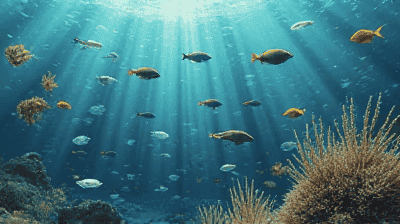
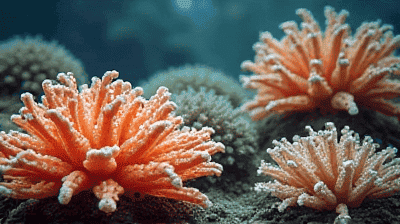
3D-Printed Coral Reefs: Restoring Marine Habitats with Technology

The world’s oceans, rich in biodiversity, face unprecedented threats due to climate change, pollution, and overfishing. One of the most alarming consequences of these threats is the rapid degradation of coral reefs, which serve as vital ecosystems for countless marine species and act as natural barriers protecting coastlines.

Perovskite Solar Cells: The Next Leap in Solar Panel Efficiency?

The quest for sustainable energy solutions has led to significant advancements in solar technology over the past few decades. Among the most promising innovations are perovskite solar cells, which are revolutionizing the solar energy landscape.

The 'Internet of Trees': How Sensor Networks Monitor Forest Health

Forests are vital ecosystems that play a crucial role in maintaining planetary health. They provide habitat for countless species, sequester carbon dioxide, and contribute to the water cycle. However, forests around the world face numerous threats, including deforestation, climate change, and pollution, putting their health at risk.

Popular Articles

Smart Water Grids: How Sensors Prevent Leaks and Reduce Waste
Green Technology

Smart Water Grids: How Sensors Prevent Leaks and Reduce Waste

Paludiculture: The Sustainable Farming Practice That Preserves Peatlands
Ecosystem

Paludiculture: The Sustainable Farming Practice That Preserves Peatlands

Why the High Seas Treaty Could Be a Game-Changer for Marine Biodiversity
Environmental Policy
3D-Printed Coral Reefs: Restoring Marine Habitats with Technology
Green Technology
Why Mangrove Restoration is Critical for Coastal Protection and Carbon Sequestration
Climate Change
The Great Green Wall Progress Report: Is Africa's Desert Barrier Working?
Ecosystem