Ecosystem

ADVERTISEMENT

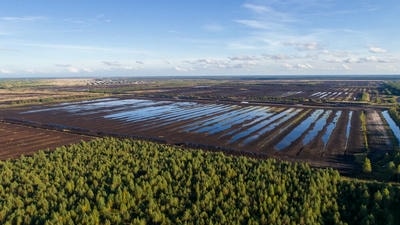
Paludiculture: The Sustainable Farming Practice That Preserves Peatlands

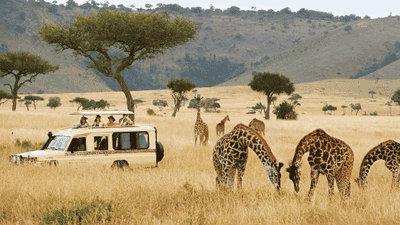
Grasslands are often underappreciated in discussions about critical ecosystems and sustainable farming practices. These expansive landscapes, characterized by vast open spaces dominated by grasses and other herbaceous plants, offer much more than meets the eye.

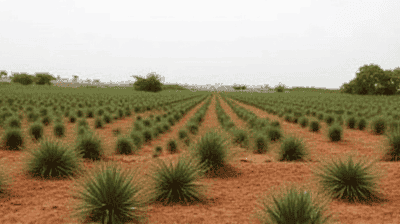
Grazing vs. Desertification: Can Regenerative Ranching Reverse Land Degradation?

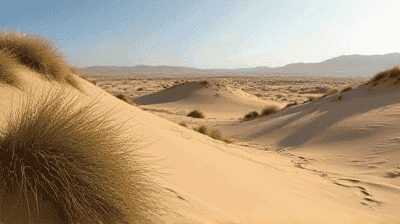
Desertification is one of the most pressing environmental issues facing the planet today. As arid and semi-arid lands become increasingly degraded due to factors like unsustainable land management, climate change, and overgrazing, the resilience of these ecosystems diminishes, leading to a cascade of ecological and socioeconomic problems.

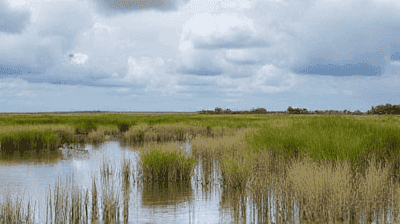
Everglades Under Threat: Can the Largest U.S. Wetland Survive Urbanization?

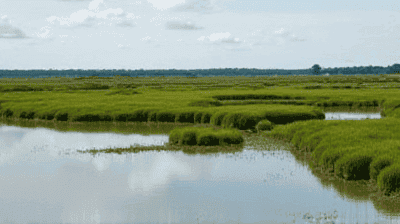
Wetlands are among the most biologically productive ecosystems on the planet, providing vital services that support both local wildlife and human populations. The Eversheds, one of the largest wetland complexes in the United States, exemplifies the natural beauty and ecological importance of these regions.

The Great Atlantic Sargassum Invasion: Causes, Impacts, and Cleanup Solutions

In recent years, the Atlantic Ocean has witnessed a remarkable yet concerning phenomenon: the massive influx of Sargassum, a type of brown seaweed, onto coastlines from the Caribbean to the Gulf of Mexico. This phenomenon, often referred to as the "Great Atlantic Sargassum Invasion," has raised alarm among scientists, environmentalists, and coastal communities alike.

The Ramsar Convention: 50 Years of Global Wetland Protection – Success or Failure?

The Ramsar Convention, established in 1971 in the Iranian city of Ramsar, is an international treaty aimed at the conservation and sustainable management of wetlands worldwide. Spanning half a century, the Convention has sought to raise awareness of the importance of wetlands, ensure their protection, and promote sustainable practices that benefit both people and ecosystems.
The Great Green Wall Progress Report: Is Africa's Desert Barrier Working?

The Great Green Wall initiative represents one of the most ambitious environmental restoration projects in history, aiming to combat desertification and enhance food security across the Sahel region of Africa. Stretching from Senegal in the west to Djibouti in the east, the Great Green Wall is envisioned as a mosaic of trees, shrubs, and vegetation that serves as a barrier against the encroaching Sahara Desert.

Deep-Sea Mining Threats: How Ocean Floor Exploitation Could Destroy Unknown Species

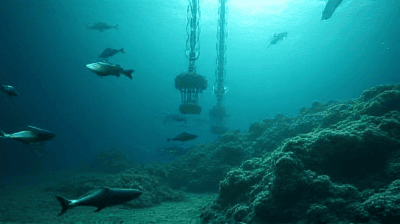
As humanity increasingly turns to the ocean for resources, deep-sea mining has emerged as a controversial method of exploiting valuable minerals and metals from the ocean floor. This practice has gained momentum due to the rising demand for resources needed for modern technologies, including smartphones, electric vehicles, and renewable energy systems.

The Hidden Crisis: Why Freshwater Species Are Disappearing Twice as Fast

Freshwater ecosystems, which include rivers, lakes, wetlands, and streams, are critical to the functioning of our planet. They provide vital resources for humans, support diverse wildlife, and help regulate local climates. However, these ecosystems are not only under threat; they are experiencing an unprecedented crisis.

Coral Reef Rescue: Innovative Restoration Techniques Saving Dying Ecosystems

Coral reefs are one of the most diverse and productive ecosystems on the planet, often referred to as the "rainforests of the sea." These vibrant underwater structures support a staggering array of marine life, provide critical ecosystem services, and play a vital role in coastal protection and tourism-driven economies.

Ecological Grief: The Mental Health Toll of Watching Ecosystems Disappear

In recent decades, the world has witnessed an alarming rate of biodiversity loss and ecosystem degradation. From the disappearing rainforests of the Amazon to the bleaching coral reefs of the Great Barrier Reef, the signs of ecological collapse are becoming impossible to ignore.
  • 1
  • 2
  • 3