Ecosystem

ADVERTISEMENT

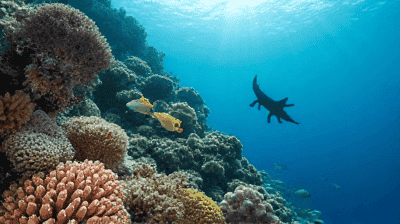
Marine Protected Areas: Do Fishing Bans Actually Help Biodiversity Recover?

Marine ecosystems are among the most diverse and productive on the planet, providing invaluable resources and services that support human life and the health of the environment. However, these vital ecosystems are under siege from overfishing, habitat destruction, pollution, and climate change.

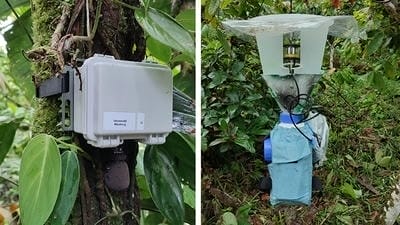
Bioacoustics Monitoring: How AI Listens to Forests to Track Biodiversity Health

As the world faces a biodiversity crisis of unprecedented proportions, understanding the health of ecosystems is more crucial than ever. Many species are in decline, and ecosystems are under threat from climate change, habitat destruction, and pollution.

The Surprising Biodiversity of Deserts – And Why We Need to Protect It

When we think of biodiversity, lush rainforests and vibrant coral reefs often come to mind. However, deserts, traditionally viewed as barren wastelands, are increasingly recognized for their rich and diverse ecosystems.

Salt Marsh Revival: How Coastal Wetlands Shield Cities from Rising Seas

As global sea levels rise due to climate change, the urgency of protecting coastal cities from flooding and erosion has never been more pressing. One of nature’s most effective defenses against these threats lies in coastal wetlands, particularly salt marshes.

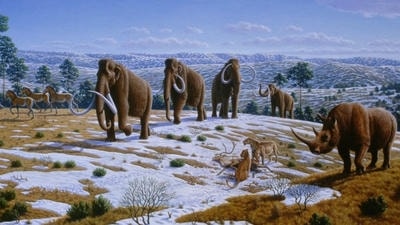
De-extinction Debate: Could Reviving Lost Species Help Restore Ecosystems?

The concept of de-extinction—reviving species that have gone extinct—was once relegated to the realm of science fiction, but recent advancements in genetic engineering and biotechnology have brought this idea closer to reality.

The Dark Side of Ecotourism: When 'Green Travel' Harms Wildlife Habitats

Ecotourism has emerged as a popular alternative to traditional tourism, often marketed as a sustainable travel option that emphasizes conservation and environmental awareness. The idea is simple: by exploring natural areas, travelers can contribute to conservation efforts and support local communities.

Why the World's Peatlands Are Critical Carbon Sinks (and How We're Losing Them)

Peatlands, often overlooked in discussions about climate change, are among the most important ecosystems on the planet. These waterlogged areas, which are primarily found in boreal, temperate, and tropical regions, act as critical carbon sinks, storing more carbon than all the world’s forests combined.

Sand Dune Stabilization: How Plants and Technology Prevent Encroaching Deserts

As global climate patterns shift, the phenomenon of desertification poses significant challenges to ecosystems, agriculture, and human livelihoods. One of the most visually striking manifestations of this issue is the encroachment of sand dunes into previously fertile areas, threatening biodiversity and destabilizing local communities.

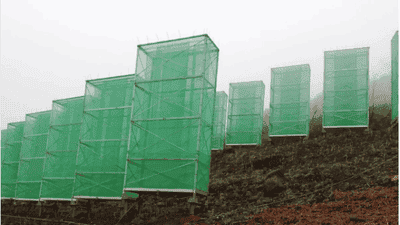
How Ancient 'Fog Harvesting' Techniques Are Reviving Arid Landscapes

In an era when climate change and water scarcity pose significant challenges to agriculture and livelihoods, innovative solutions rooted in ancient practices are gaining renewed attention. One such method is fog harvesting, a sustainable technique that has been used for centuries in arid regions around the world.

The Silent Crisis: Why Ocean Deoxygenation is the Next Big Climate Threat

The world's oceans, often referred to as the lungs of the planet, play a crucial role in regulating climate and supporting life. While much attention has been focused on issues like climate change, plastic pollution, and overfishing, an insidious and growing threat is quietly unfolding beneath the waves: ocean deoxygenation.
  • 1
  • 2
  • 3